Corrosion Mapping
Corrosion can develop unevenly across an asset. A single thickness measurement may therefore not provide enough information to understand the full extent of localized wall loss
Turning Wall Loss into a Clear Picture of Asset Condition
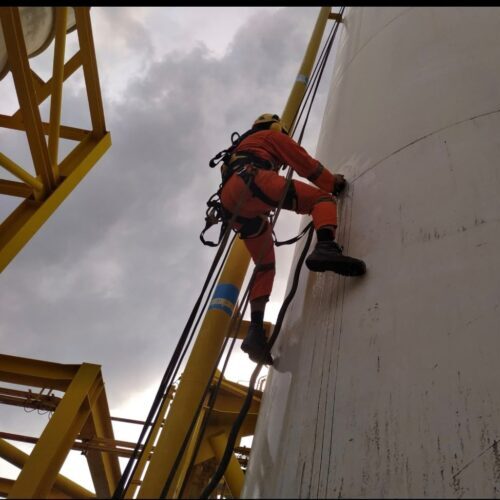
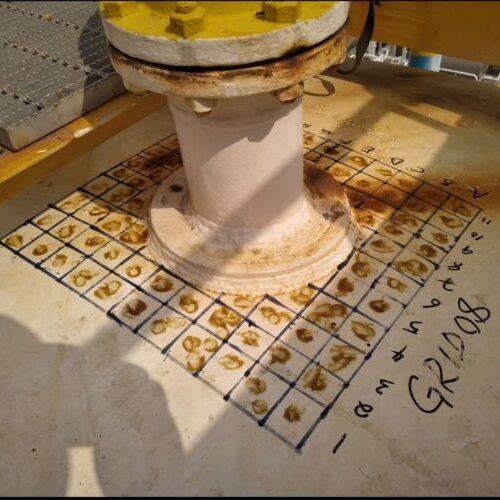
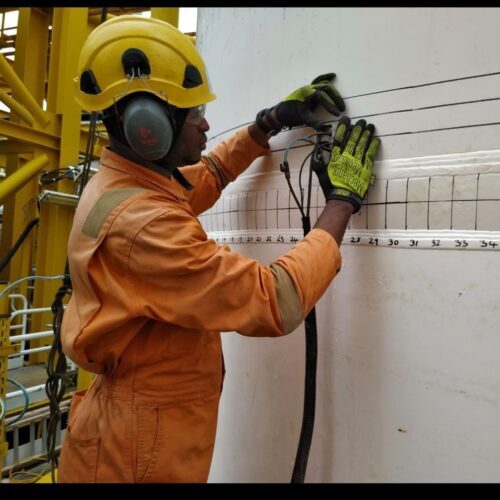
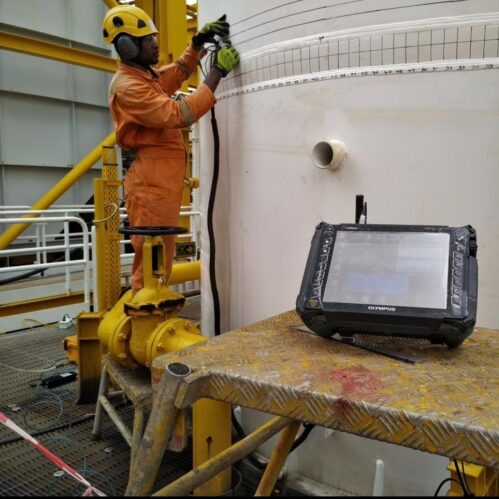
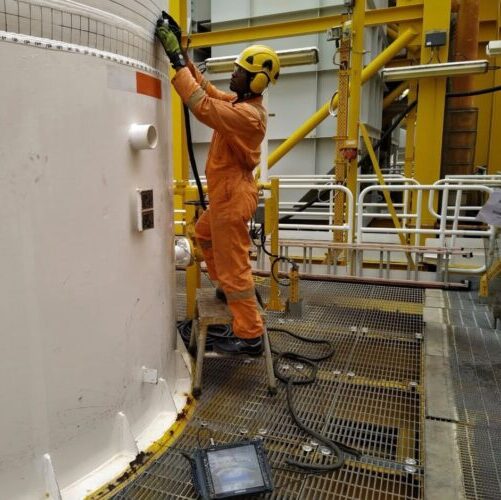
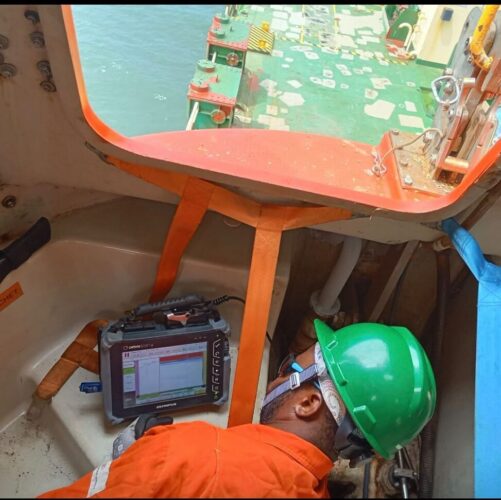
Corrosion Mapping provides a more detailed representation of material thickness across a defined inspection area, helping to identify and characterize areas of corrosion and metal loss.
At KLASIC Oil Inspection Services Limited, corrosion mapping forms part of our advanced asset integrity and NDT capability, particularly where clients require a more detailed understanding of localized deterioration.
WHAT CORROSION MAPPING CAN PROVIDE
Corrosion mapping can help identify:
- Localized wall thinning
- Pitting
- Corrosion patterns
- Areas of metal loss
- Remaining material thickness variations
- Areas requiring further engineering assessment
Rather than relying on isolated readings, corrosion mapping provides multiple thickness measurements across an inspection area, creating a more comprehensive picture of the condition.
APPLICATIONS
Our corrosion mapping services can support inspection of suitable:
- Pressure vessels
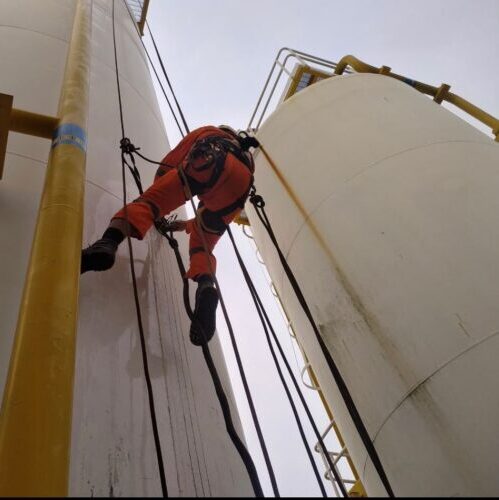
- Storage tanks
- Pipelines
- Process piping
- Pipe bends
- Pressure-containing components
- Marine structures
- Offshore assets
- Other steel components affected by corrosion
SUPPORTING CORROSION MANAGEMENT
Corrosion mapping can be particularly valuable when an asset has a history of corrosion or when previous inspections have identified areas of concern.
The resulting inspection information can support:
Corrosion assessment
Maintenance planning
Repair decisions
Remaining thickness assessment
Fitness-for-service studies
Remaining life assessment
Risk-based inspection programmes
FROM DATA TO ENGINEERING DECISION
At KLASIC, we understand that corrosion data is most valuable when it can support a practical decision.
Our inspection findings can provide useful input for engineering teams assessing whether an asset can continue in service, requires monitoring, needs repair or requires further detailed evaluation.
Where applicable, corrosion mapping can be integrated with UT thickness measurement, corrosion monitoring, remaining life assessment and broader asset integrity programmes.
WHY KLASIC?
We approach corrosion inspection with a focus on data quality, coverage, traceability and practical interpretation.
Our objective is to help clients move from simply knowing that corrosion exists to understanding where it is, how extensive it may be and what information is required for the next engineering decision.
KLASIC Oil Inspection Services Limited — Mapping Deterioration. Managing Integrity.
Quality Service
Delivering high-performance oilfield services backed by strict compliance and a track record of flawless operational execution